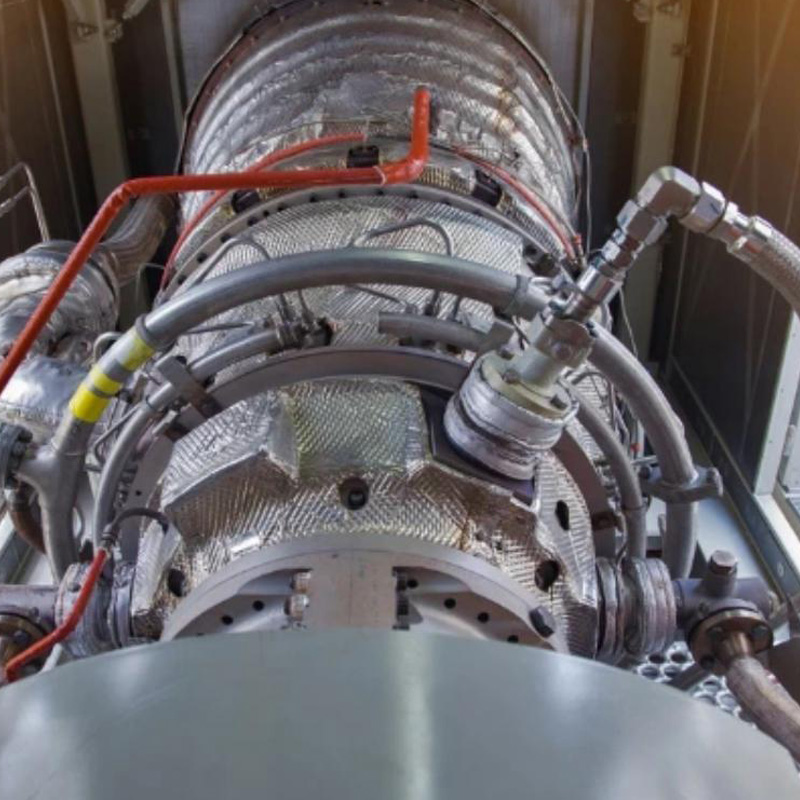
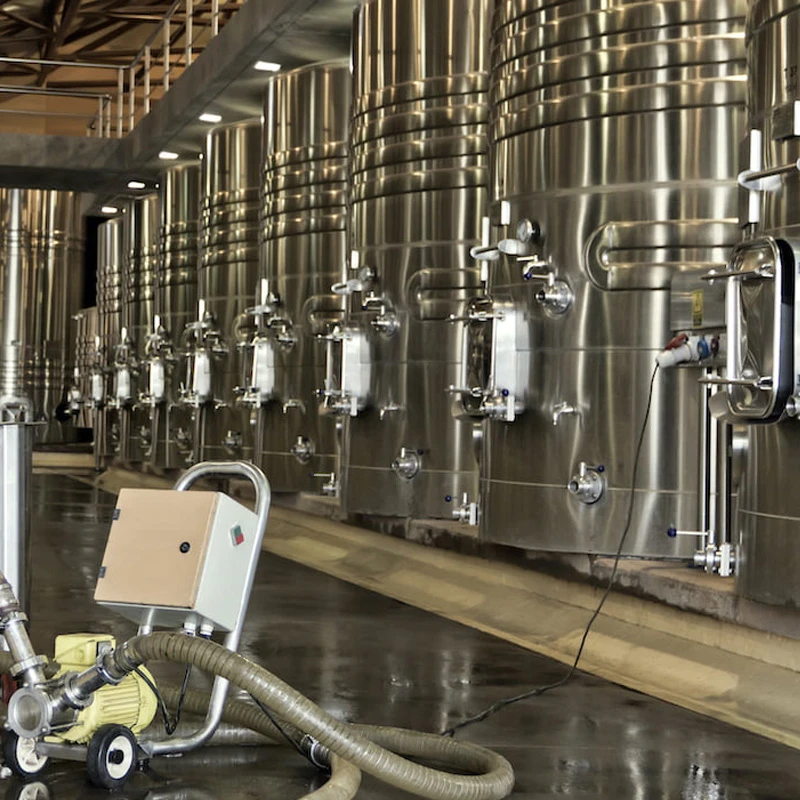
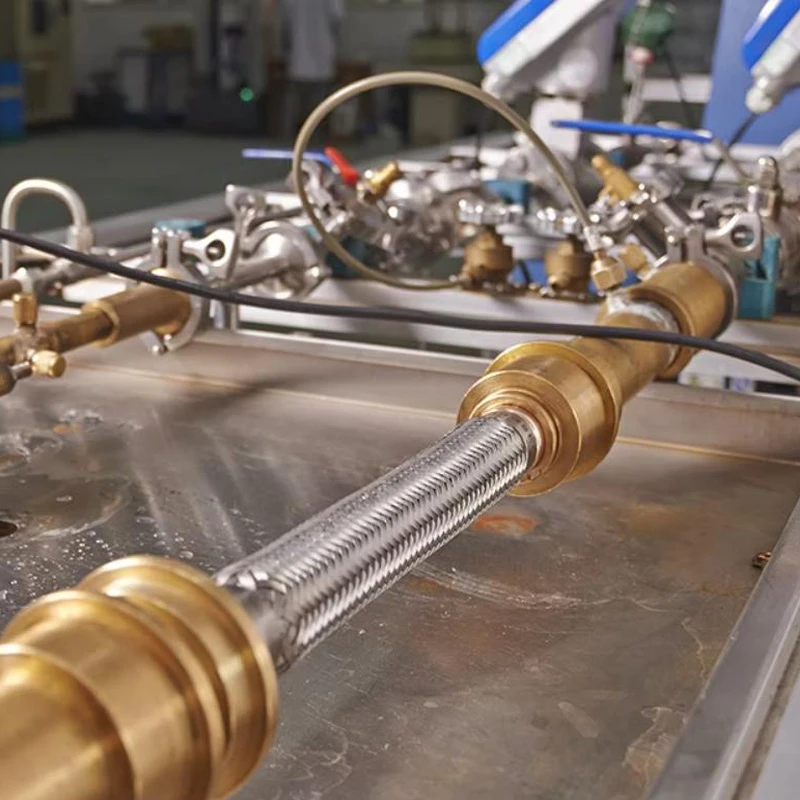
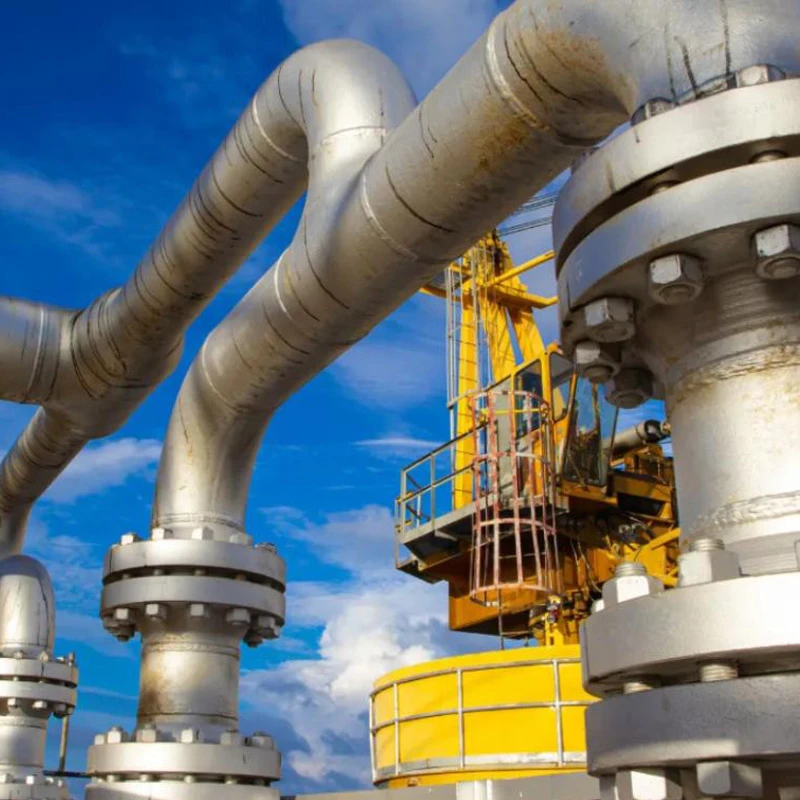
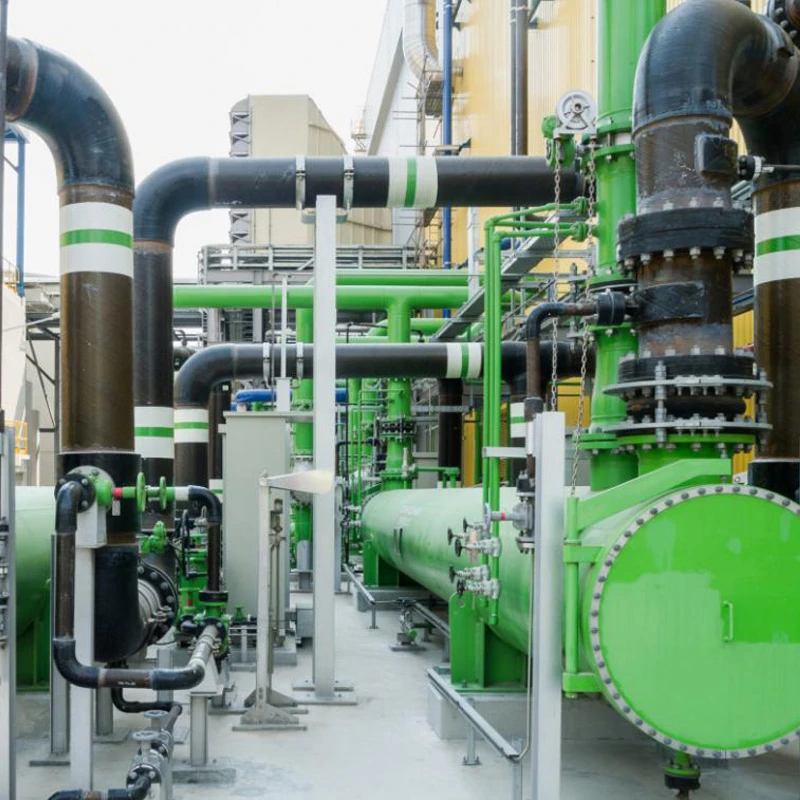
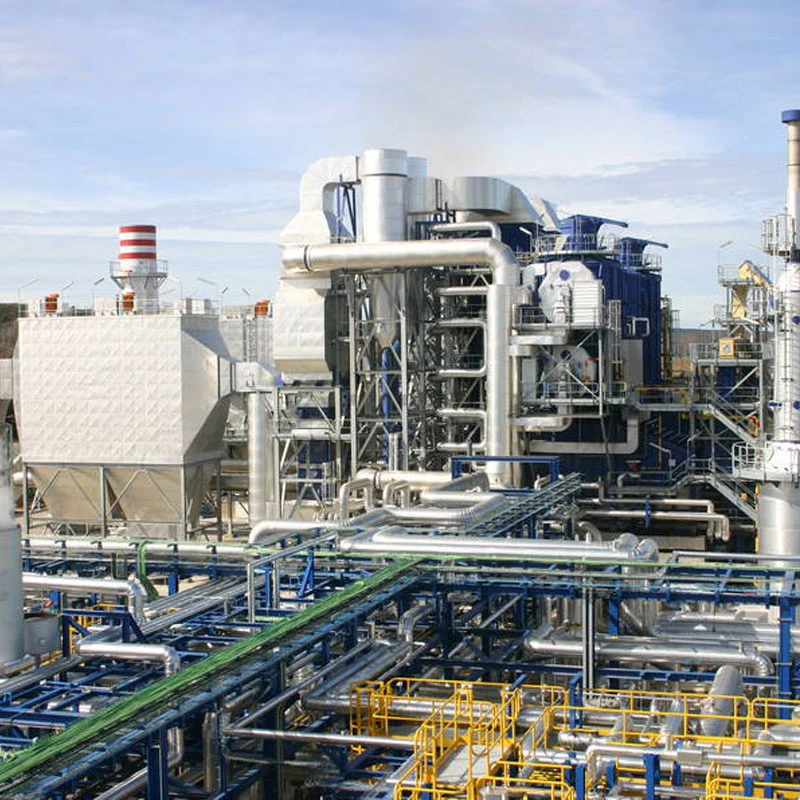
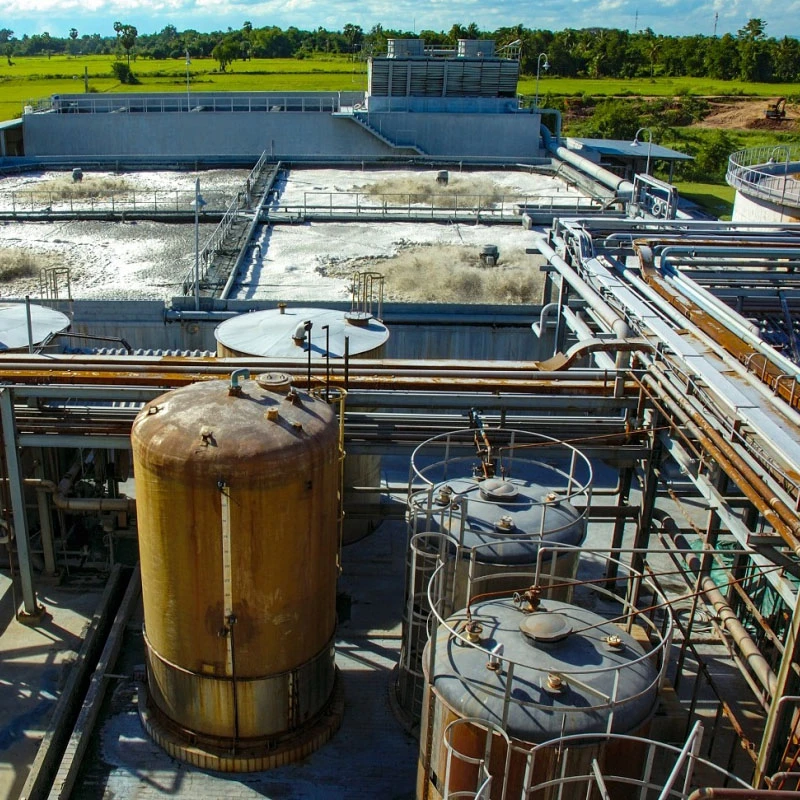
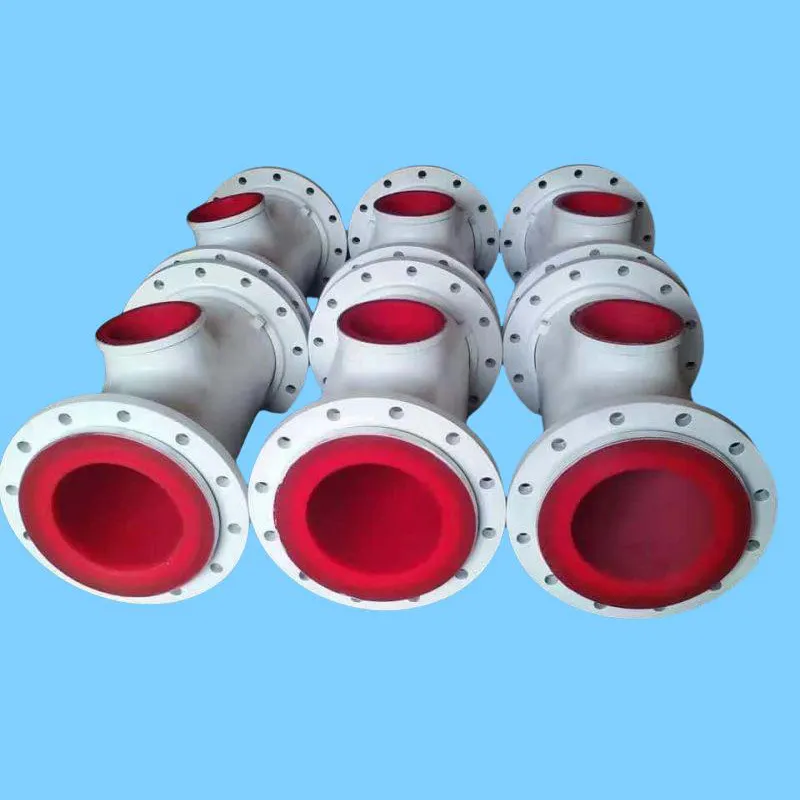
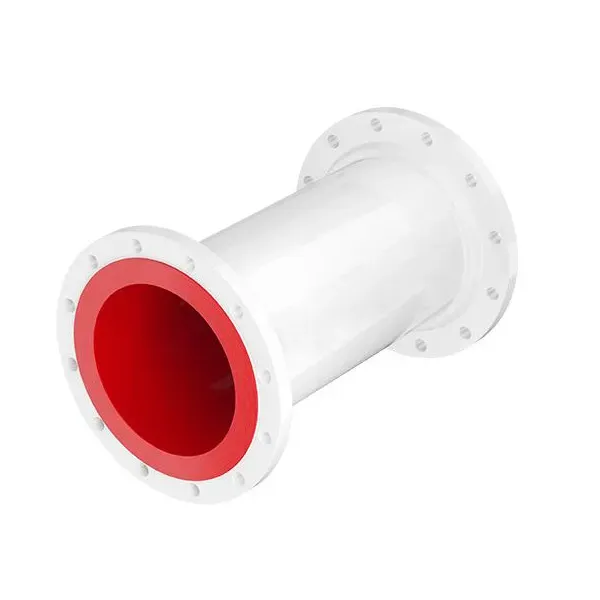
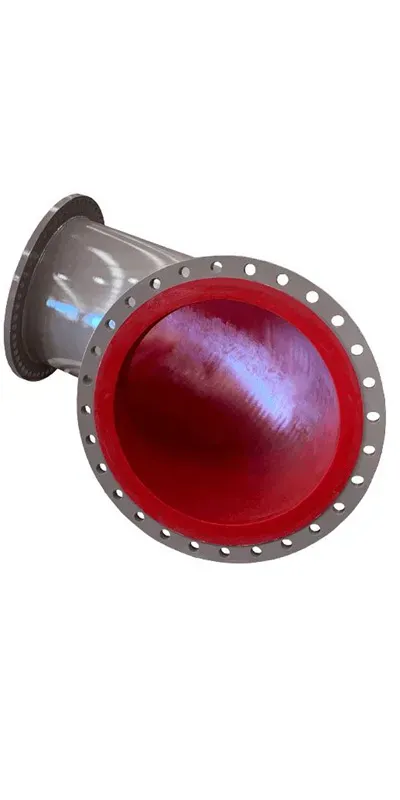
Introduction to Advanced Chemical Storage Solutions In demanding industrial environments, particularly within the chemical processing, pharmaceutical, and metallurgical sectors, the integrity and safety of storage and reaction vessels are paramount. Exposure to highly corrosive chemicals at elevated temperatures and pressures can severely compromise conventional materials, leading to frequent maintenance, operational downtime, and potential safety hazards. This challenge necessitates the deployment of advanced material solutions capable of enduring extreme conditions while maintaining product purity and operational efficiency. One such critical innovation is the PTFE Lined Tank . These specialized tanks, leveraging the exceptional chemical resistance and non-stick properties of Polytetrafluoroethylene (PTFE), provide an unparalleled solution for handling a vast array of aggressive media. This article delves into the technical intricacies, manufacturing excellence, diverse applications, and profound advantages of PTFE-lined vessels, offering insights crucial for B2B decision-makers and engineering professionals seeking robust, long-term asset solutions. Industry Trends Driving the Adoption of Advanced Lined Tanks The industrial landscape is continuously evolving, driven by factors such as stricter environmental regulations, increasing demand for high-purity chemicals, and the imperative for enhanced operational efficiency and safety. These trends significantly influence equipment selection, making advanced material solutions like the PTFE Lined Tank indispensable. Environmental Compliance: Growing global pressure to reduce chemical leakage, spills, and hazardous waste generation mandates storage solutions that offer superior containment and corrosion resistance, minimizing environmental impact. High-Purity Process Requirements: Industries like pharmaceuticals, semiconductors, and fine chemicals demand vessels that prevent contamination. PTFE's inertness ensures the integrity of sensitive products. Operational Longevity and Reduced TCO: Companies are increasingly focused on the total cost of ownership (TCO). While the initial investment in PTFE-lined solutions might be higher, their extended service life, reduced maintenance, and avoidance of costly downtime translate into significant long-term savings. Handling Aggressive Media: The synthesis of new, more reactive chemicals, or the processing of existing chemicals under more extreme conditions (higher temperatures/pressures), necessitates robust lining materials capable of resisting a broader spectrum of corrosive agents. Safety Enhancements: Preventing catastrophic failures due to corrosion is a primary safety concern. PTFE linings offer a crucial barrier, mitigating risks associated with chemical containment. These trends collectively underline the strategic importance of investing in reliable, high-performance storage solutions to ensure sustainable, safe, and efficient industrial operations. The Meticulous Manufacturing Process of PTFE Lined Tanks The creation of a high-performance PTFE Lined Tank is a sophisticated process requiring precision engineering, advanced material science, and rigorous quality control. It involves several critical stages to ensure the final product meets stringent industrial demands for durability and chemical resistance. 1. Base Tank Fabrication Material Selection: The foundation of any lined tank is a robust outer shell, typically fabricated from carbon steel (for cost-effectiveness in non-corrosive external environments) or stainless steel (SS304, SS316L for enhanced external corrosion resistance or specific hygienic requirements). Forming and Welding: Precision sheet metal fabrication involves processes like rolling, pressing, and CNC machining to achieve the exact dimensions and geometry. Welding, often employing advanced techniques like TIG (Tungsten Inert Gas) or MIG (Metal Inert Gas), is meticulously performed to create a leak-proof vessel. Non-destructive testing (NDT), such as radiographic inspection or ultrasonic testing, is standard to verify weld integrity. 2. Surface Preparation Prior to lining, the interior surface of the base tank undergoes thorough preparation. This typically involves grit blasting to achieve a specific surface profile (e.g., SA 2.5) that enhances mechanical adhesion of the liner and removes all contaminants, rust, and scale. Chemical cleaning may also be applied. 3. PTFE Application Techniques The application of PTFE is the most critical stage, dictating the tank's performance. Several methods are employed: Loose Lining (Sheet Lining): Pre-fabricated PTFE sheets are mechanically attached or glued to the tank interior. This method is suitable for large or geometrically complex tanks. Seams are carefully welded using hot air or hot plate techniques to ensure a continuous, impervious barrier. Rotational Lining: For smaller to medium-sized tanks, PTFE powder is introduced into the heated vessel, which is then rotated bi-axially. The melting PTFE adheres to the interior surface, forming a seamless, uniform lining. This method produces excellent chemical resistance and mechanical integrity. Isostatic Molding/Paste Extrusion: For complex components like dip pipes or thermowells, PTFE powder is compacted under high pressure and then sintered, offering superior density and chemical resistance in critical areas. Bonded Lining: In some applications, a special adhesive or a roughened (etched) PTFE surface is used to create a strong bond between the PTFE and the substrate, particularly for full vacuum conditions. 4. Curing and Sintering After application, the PTFE lining is subjected to controlled heating and cooling cycles (sintering) to achieve optimal material properties, including crystallinity, density, and adhesion, enhancing its mechanical strength and chemical inertness. 5. Finishing and Quality Control Every PTFE-lined vessel undergoes a battery of tests to ensure flawless performance: Spark Testing: A high-voltage spark tester detects pinholes or imperfections in the PTFE lining, ensuring a continuous barrier against corrosive media. Any detected flaws are meticulously repaired and re-tested. Hydrostatic Testing: The tank is filled with water and pressurized to verify structural integrity and leak-tightness of the base vessel according to standards like ASME Boiler and Pressure Vessel Code. Visual Inspection: Thorough visual checks by certified inspectors ensure the absence of surface defects, proper nozzle alignment, and overall fit and finish. Thickness Measurement: Non-destructive methods measure the PTFE lining thickness to confirm it meets specified design parameters. Compliance with international testing standards such as ISO 9001 (Quality Management), ASME (Pressure Vessel Standards), and ANSI (American National Standards Institute) is maintained throughout the process to guarantee product reliability and a service life often exceeding 15-20 years in properly managed applications. Target industries include petrochemical, metallurgy, water supply & drainage, pharmaceuticals, and semiconductor manufacturing, where the combination of corrosion resistance and energy saving (through reduced downtime and less material replacement) offers significant advantages. Image: Precision engineered PTFE Lined Tank components ensuring superior chemical resistance. Technical Specifications and Parameters of PTFE Lined Tanks Understanding the technical specifications of a PTFE Lined Tank is crucial for proper selection and integration into a process. These parameters define the operational envelope and suitability for specific chemical applications. Key Technical Parameters: Lining Material: While PTFE is primary, variants like Modified PTFE (e.g., TFM), PFA (Perfluoroalkoxy), and FEP (Fluorinated Ethylene Propylene) are also used. PFA offers better high-temperature performance and transparency, while FEP provides superior flexibility and melt processability. Lining Thickness: Typically ranges from 3mm to 10mm, depending on tank size, anticipated chemical aggressiveness, temperature, and mechanical stress. Thicker linings provide enhanced durability and resistance. Operating Temperature Range: Standard PTFE linings operate effectively from approximately -29°C to 200°C (-20°F to 392°F). Specialized variants or specific application conditions might extend or narrow this range. Operating Pressure: Designed for full vacuum up to 10 Bar (145 psi) for standard designs. Higher pressure ratings are achievable with reinforced base tanks and specific lining techniques (e.g., bonded linings). Base Material: Carbon Steel (ASTM A516 Gr.70, SA-285 Gr.C), Stainless Steel (SS304, SS316L, Duplex), or other alloys, selected based on external environmental factors, structural requirements, and cost. Volume Capacity: Available in a wide range, from small pilot plant reactors (e.g., 500 liters) to large-scale storage tanks (e.g., 50,000 liters or more). Nozzle Configurations: Customizable to accommodate various process connections, including inlet/outlet, vent, drain, instrumentation ports (thermowells, level sensors), and manways. Flanges are typically lined to ensure complete chemical isolation. Typical PTFE Lined Tank Product Specification Parameter Specification Range Notes/Considerations Lining Material Virgin PTFE, Modified PTFE (TFM), PFA, FEP Selection based on chemical compatibility and temperature. Lining Thickness 3 mm to 10 mm (0.125" to 0.390") Customizable based on application severity. Base Material Carbon Steel (CS), SS304, SS316L, Duplex SS Chosen for structural integrity and external corrosion. Design Pressure Full Vacuum to 10 Bar (145 psi) Higher ratings available for specialized designs. Design Temperature -29°C to 200°C (-20°F to 392°F) Limited by lining material and adhesion method. Volume Capacity 500 L to 50,000 L+ (130 to 13,000 US gallons+) Custom dimensions available. Applicable Standards ASME VIII Div. 1, ISO 9001, ASTM, ANSI, PED Ensures global compliance and safety. Application Scenarios and Distinct Technical Advantages The unparalleled chemical inertness and robust mechanical properties of PTFE Lined Tank s make them indispensable across a multitude of challenging industrial applications where conventional materials fail to provide adequate performance or longevity. Key Application Scenarios: Storage and Processing of Highly Corrosive Acids and Bases: Including concentrated hydrochloric acid, sulfuric acid, hydrofluoric acid, nitric acid, caustic soda, and various organic solvents. The PTFE lining acts as an impermeable barrier, protecting the structural steel shell. Pharmaceutical and Biopharmaceutical Manufacturing: For handling high-purity media, active pharmaceutical ingredients (APIs), and solvents where metallic contamination or leaching must be entirely avoided to maintain product efficacy and regulatory compliance (e.g., FDA, cGMP). Fine Chemical Synthesis: Reactions involving aggressive reagents, often at elevated temperatures and pressures, require vessels that do not catalyze side reactions or degrade under harsh conditions. Semiconductor Industry: For the storage and distribution of ultra-high purity chemicals, such as etchants and solvents, where even trace contamination can ruin entire batches of microchips. Waste Treatment and Environmental Engineering: Handling diverse and often highly aggressive industrial wastewater streams, including those containing heavy metals, strong oxidizers, or mixed acids, without succumbing to rapid corrosion. Chlor-Alkali Plants: For processes involving chlorine, caustic soda, and other corrosive chemicals produced in electrolysis. Technical Advantages: Exceptional Chemical Inertness: PTFE is virtually impervious to almost all industrial chemicals, including strong acids, bases, solvents, and oxidizers, across a wide temperature spectrum. This ensures the structural integrity of the tank and prevents product degradation. Wide Operating Temperature Range: Maintaining stability and performance from cryogenic temperatures up to 200°C (392°F), allowing for versatile application in various thermal processes. Non-Stick / Low Friction Surface: Prevents adhesion of viscous materials, scaling, and build-up, facilitating easier cleaning, reducing downtime, and optimizing flow. This also contributes to energy saving by reducing pumping resistance. High Purity & Non-Contaminating: PTFE does not leach impurities into the stored media, making it ideal for processes requiring ultra-high purity, a critical factor in pharmaceutical and semiconductor industries. Extended Service Life & Reduced Maintenance: The superior corrosion resistance drastically extends the operational lifespan of the equipment, significantly reducing maintenance frequency, repair costs, and associated downtime, leading to substantial energy savings and operational efficiency. Cost-Effectiveness (TCO): While initial investment might be higher than unlined or specialty alloy tanks, the longevity, minimal maintenance, and prevention of product loss contribute to a lower Total Cost of Ownership over the equipment's lifespan. Image: A view inside a PTFE Lined Tank, showcasing its seamless and non-reactive surface. Vendor Comparison and Selection Criteria for PTFE Lined Tanks Selecting the right manufacturer for a PTFE Lined Tank is a critical decision that impacts long-term operational reliability, safety, and cost-efficiency. It involves evaluating several key factors beyond just the initial price. Essential Selection Criteria: Manufacturing Expertise and Certifications: Look for vendors with extensive experience in PTFE lining technologies and robust quality management systems (e.g., ISO 9001:2015). Adherence to pressure vessel codes (e.g., ASME VIII Div. 1, PED) is non-negotiable. Lining Material Quality and Traceability: Ensure the vendor uses virgin-grade PTFE or specified fluoropolymer types (PFA, FEP) with complete material traceability to guarantee performance and purity. Application Method and Adhesion: Different lining methods (loose, rotational, bonded) have specific advantages. A vendor should be able to recommend and implement the most appropriate technique for your process conditions, ensuring excellent adhesion, especially under vacuum or thermal cycling. Quality Control and Testing Protocols: A reputable manufacturer will have stringent in-process and final inspection procedures, including spark testing for pinholes, hydrostatic testing, and lining thickness verification. Ask for detailed Q.C. reports. Customization Capabilities and Engineering Support: The ability to custom-design tank geometries, nozzle configurations, and integrate accessories is vital. A strong engineering team can provide critical application analysis and design optimization. After-Sales Service and Warranty: Comprehensive warranty policies, readily available technical support, and spare parts (if applicable) are indicative of a vendor's commitment to long-term client satisfaction and product reliability. Industry Experience and References: Look for vendors with a proven track record in your specific industry. Client testimonials and verifiable case studies offer valuable insights into their capabilities and reliability. Comparison of Common Lining Materials for Tanks Lining Material Key Characteristics Typical Application Range Advantages/Limitations PTFE Excellent chemical resistance, wide temp range, non-stick, opaque. -29°C to 200°C, highly corrosive acids/bases, high purity. Adv: Universal chemical resistance, high purity. Lim: Not melt-processable, can be permeation-prone with certain gases. PFA Similar to PTFE but melt-processable, good high-temp resistance, translucent. -40°C to 260°C, ultra-high purity, aggressive chemicals. Adv: Higher temp, excellent surface finish, lower permeability. Lim: Higher cost than PTFE, less flexural fatigue resistance. FEP Melt-processable, excellent chemical resistance, transparent, good flexibility. -29°C to 200°C, general chemical handling, moderate temperatures. Adv: Transparent, very good chemical resistance, good for complex shapes. Lim: Lower max temp than PFA/PTFE, slightly lower chemical resistance. Glass Lining Excellent acid resistance, good for high purity. -29°C to 230°C, strong acids (excluding HF), some bases. Adv: Very good acid resistance, high purity. Lim: Brittle, poor resistance to strong alkalis and HF, difficult to repair. Rubber Lining Good for abrasion, moderate chemical resistance (specific types). Up to 90°C, certain acids, bases, slurries. Adv: Cost-effective, good abrasion resistance. Lim: Limited temperature and chemical range, permeability issues. While other lining materials serve specific niches, the unique combination of chemical inertness, temperature stability, and non-stick properties positions these advanced fluoropolymer-lined tanks as a superior choice for the most challenging and critical applications. Customized Solutions and Engineering Excellence Standardized solutions often fall short in meeting the unique demands of complex industrial processes. This is particularly true for storage and reaction vessels where specific chemical compositions, operating parameters, and integration requirements necessitate tailored designs. Recognizing this, leading manufacturers of PTFE-lined vessels emphasize customized solutions and robust engineering support. Application-Specific Design: Engineers work closely with clients to understand the precise chemical environment, temperature, pressure, agitation requirements, and other operational specifics. This allows for optimal selection of PTFE grade (virgin, modified, or PFA/FEP) and lining thickness, as well as the appropriate base material. Optimized Geometry and Configuration: Custom tank dimensions, conical or dished bottoms for complete drainage, specific nozzle arrangements (e.g., tangential inlets for mixing, multiple ports for instrumentation), and internal components like baffles or dip pipes can be engineered and lined with PTFE to ensure seamless, corrosion-free operation. Integration with Existing Systems: Custom solutions ensure compatibility with existing piping, pumping systems, agitators, and control mechanisms, minimizing installation time and costs. This includes designing for specific flange types, bolt patterns, and connection sizes. Compliance with Regulatory Standards: Tailored designs ensure that the final product adheres to local and international codes and standards relevant to the client's industry (e.g., ATEX for explosive environments, cGMP for pharmaceuticals, specific national pressure vessel codes). A strong engineering consultation phase is crucial for delivering a lined tank solution that not only meets immediate process needs but also provides long-term reliability and efficiency. Application Case Studies: Proving the Value of PTFE Lined Tanks Real-world applications powerfully illustrate the tangible benefits and problem-solving capabilities of PTFE-lined tanks in diverse industrial settings. These examples underscore their critical role in ensuring process integrity, safety, and operational continuity. Case Study 1: Highly Corrosive Acid Storage in Petrochemicals Challenge: A major petrochemical producer faced recurring issues with the storage of concentrated sulfuric acid and fuming nitric acid. Traditional stainless steel tanks experienced rapid corrosion, leading to frequent shutdowns for repair, costly material replacements, and significant safety concerns due to potential leaks. Product purity was also compromised by metallic ion leaching. Solution: The client implemented a series of large-capacity PTFE-lined tanks (ranging from 10,000L to 30,000L) for both storage and intermediate processing. The tanks featured a 6mm thick virgin PTFE rotational lining applied to a carbon steel shell, engineered to withstand continuous operation at 100°C and occasional excursions to 120°C. Outcome: Over five years of continuous operation, these PTFE-lined tanks demonstrated zero corrosion, no leaks, and maintained consistent product purity, significantly reducing operational costs related to maintenance and replacement. Downtime was drastically cut, improving overall plant efficiency and safety compliance. Case Study 2: Ultra-High Purity Solvent Blending in Pharmaceuticals Challenge: A pharmaceutical company required a vessel for blending high-purity solvents and sensitive active pharmaceutical ingredients (APIs). Existing glass-lined reactors frequently suffered from impact damage and micro-cracks, leading to contamination and product loss. Stainless steel was unsuitable due to potential metallic ion leaching and reactivity with certain compounds. Solution: A 2,000L PTFE-lined vessel was installed, specifically designed for high-purity applications. It featured a vacuum-resistant bonded PTFE lining with a smooth, inert surface, and custom-designed PTFE-lined agitator shafts and baffles. All connections were also PTFE-lined to ensure complete product contact surface purity. Outcome: The PTFE-lined vessel completely eliminated product contamination issues, enabling the client to consistently meet stringent cGMP requirements. The robust lining provided superior resistance to both chemical attack and minor mechanical impacts, leading to improved batch consistency, reduced waste, and enhanced operational reliability for critical blending operations. Case Study 3: Complex Effluent Treatment in Metallurgy Challenge: A metallurgical plant generated mixed acidic effluents containing fluorides, strong oxidizers, and various heavy metal ions, requiring intermediate storage before neutralization. Conventional concrete or FRP tanks failed rapidly due to chemical attack and permeation, necessitating costly and time-consuming repairs. Solution: Several 5,000L and 10,000L PTFE-lined tanks were integrated into the effluent treatment train. These tanks utilized a specialized modified PTFE (TFM) lining for enhanced impermeability and resistance to a broader spectrum of aggressive chemicals, including hydrofluoric acid. The base tanks were carbon steel for structural support. Outcome: The PTFE-lined tanks provided exceptional, maintenance-free service for over eight years, effectively containing the highly aggressive effluents. This significantly reduced environmental risks, eliminated costly tank failures, and ensured continuous operation of the wastewater treatment facility, contributing to regulatory compliance and reduced operational expenditure. Image: A large-scale PTFE Lined Tank installation in a chemical processing facility. Trustworthiness & Customer Support A reliable partner provides more than just a product; they offer comprehensive support and a commitment to customer satisfaction. Our dedication to quality, transparency, and service underpins the trustworthiness of our PTFE-lined tank solutions. Frequently Asked Questions (FAQ) Q: What is the typical service life of a PTFE-lined tank? A: With proper material selection, manufacturing, and operational conditions, a well-maintained PTFE-lined tank can have a service life exceeding 15 to 20 years, significantly outperforming unlined or lesser-material tanks in corrosive environments. Q: Can PTFE-lined tanks handle full vacuum conditions? A: Yes, properly designed and manufactured PTFE-lined tanks can handle full vacuum. This often involves specific lining techniques like mechanically locked or bonded linings to prevent collapse or delamination of the PTFE under negative pressure. Vacuum resistance is a key design consideration. Q: What is the typical lead time for a custom PTFE-lined tank? A: Lead times vary depending on tank size, complexity, and current production schedules. For standard configurations, lead times typically range from 8 to 16 weeks. Custom-engineered solutions may require longer. We provide detailed lead time estimates during the quotation phase. Q: What warranty is provided with your PTFE-lined tanks? A: We offer a comprehensive warranty covering manufacturing defects and material integrity. Specific terms and conditions are provided with each quotation, reflecting our confidence in the quality and durability of our products. Our commitment extends beyond delivery to ensure long-term satisfaction. Lead Time & Fulfillment Our streamlined manufacturing processes and robust supply chain management enable efficient project fulfillment. We collaborate closely with clients from initial consultation through design, fabrication, testing, and delivery to ensure on-time and on-budget project completion. Expedited options may be available for urgent requirements, subject to project scope. Warranty Commitments Each PTFE-lined tank is backed by an industry-standard warranty that covers materials and workmanship. Our commitment to quality means we stand behind every product, ensuring peace of mind for our clients. Detailed warranty information is always provided with official quotations and order confirmations. Customer Support & After-Sales Service Our relationship with clients extends well beyond product delivery. We provide comprehensive after-sales support, including technical assistance, troubleshooting, spare parts availability for associated components (e.g., gaskets, nozzles), and guidance on maintenance and operational best practices. Our team of experts is readily available to ensure the continued optimal performance of your PTFE-lined tank assets. Conclusion The investment in a high-quality PTFE Lined Tank represents a strategic decision for industries grappling with aggressive chemicals, high-purity requirements, and demanding operational parameters. By offering unparalleled corrosion resistance, extended service life, and adherence to stringent quality standards, these specialized vessels deliver significant advantages in terms of safety, efficiency, and total cost of ownership. Partnering with an experienced manufacturer that prioritizes engineering excellence, customization, and robust after-sales support ensures a reliable and sustainable solution for your most challenging industrial applications. References ISO 9001:2015 Quality management systems – Requirements. International Organization for Standardization. ASME Boiler and Pressure Vessel Code (BPVC) Section VIII, Division 1. American Society of Mechanical Engineers. ASTM International Standards for Plastics and Rubber. ASTM International. Perry's Chemical Engineers' Handbook. McGraw-Hill Education. Modern Fluoropolymers: High-Performance Polymers for Diverse Applications. John Wiley & Sons.